Faculty of Arts Public Lecture delivered while Professor Camilleri was a visitng scholar in the School of Social and Political Sciences, University of Melbourne
The Conference, convened by Joseph Camilleri, was a sequel to a number of other workshops and symposia that have been organised in collaboration with other institutions in Europe and Asia. They formed part of a larger research programme Europe and Asia between Islam and the United States: The Politics of Transition.
This Conference focused on the interaction of three key dualities:
Ominous clouds are gathering on the horizon, threatening once again international peace and security. The escalation of the fighting in East Ukraine has seen the downing of MH17 and a serious humanit
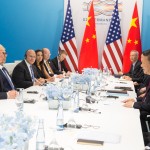
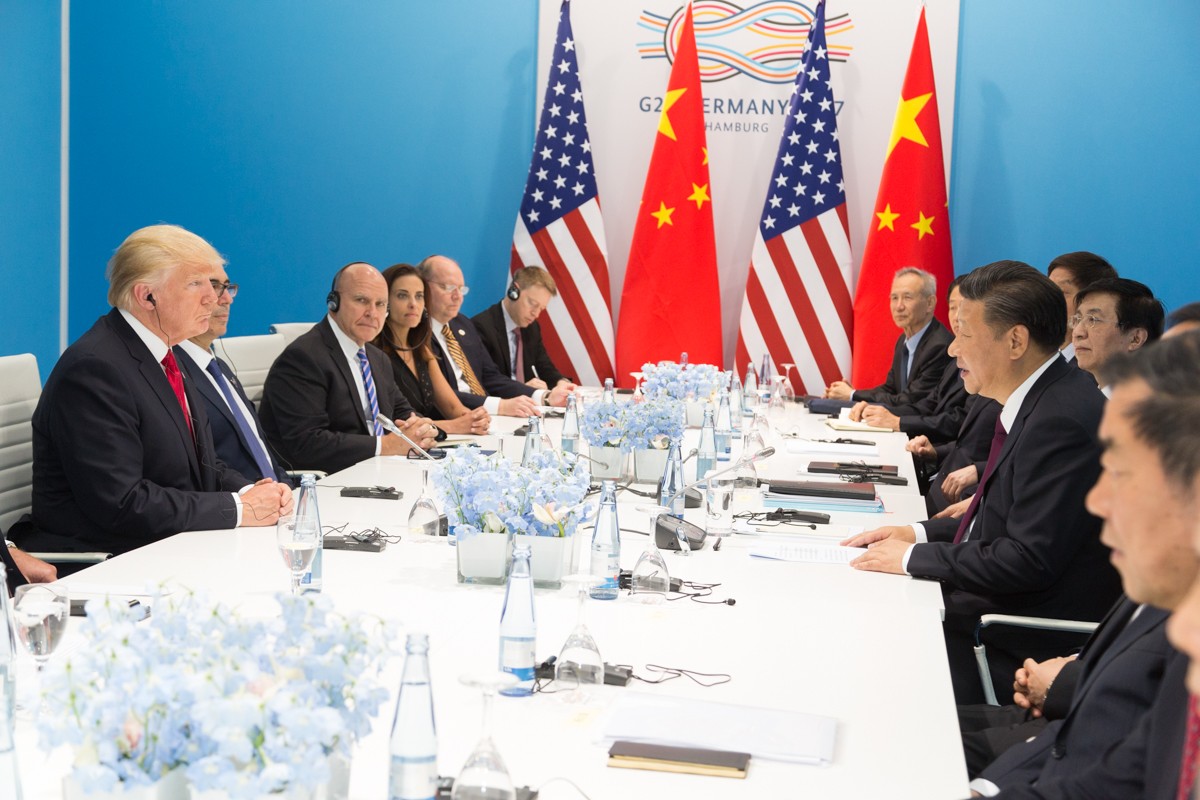
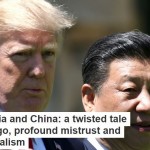
Stories of war, crisis and cooperation in world politics are often told through the lens of the politics of the ‘great powers.’ These states, due to their material capabilities and social standing in the global order, have the unique ability to both foment and mitigate instability and insecurity in ways that shape the global order as a whole.
Whether the role that the great powers play results in greater levels of stability and order or instead in crisis and disorder rests on the degree of managerial responsibility that these states accept. This forum will consider the prospects for a new age of ‘great power management’ in order to peacefully navigate the shift in the distribution of power currently underway in world politics.
Whatever the outcome of the US presidential election, one thing is clear—the US is a nation in crisis. Escalating tensions with China, a global pandemic and fracturing race relations suggest we are witnessing a turning point in American history.
But what does all this mean for Australia and the rest of the world? What will the world’s biggest superpower look like after the election and what are the implications for Australia?


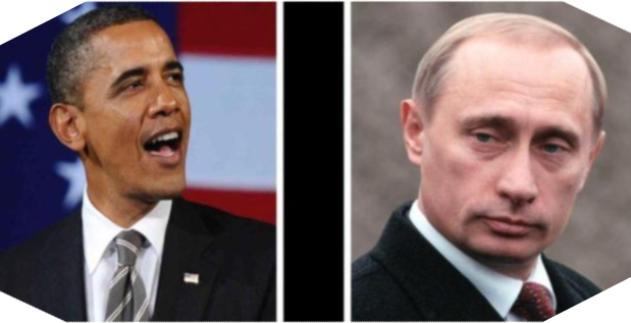 Ominous clouds are gathering on the horizon, threatening once again international peace and security. The escalation of the fighting in East Ukraine has seen the downing of MH17 and a serious humanit